

For many aspiring players, the path to a pro career seems to have only one destination: the NBA. But limiting your focus to a single league means you might be missing out on incredible opportunities. Thousands of American players build successful and lucrative careers playing in high-level international leagues across Europe, Asia, and South America. These professional basketball tryouts are not just a job; they are a life experience that allows you to see the world while building your resume. This guide will expand your horizons, showing you how to explore these global pathways, connect with international scouts, and prepare for the unique challenges and rewards of playing basketball abroad.
Key Takeaways
- Treat Preparation Like Your First Test: Your tryout performance is decided weeks in advance. Create a detailed training plan that combines peak physical conditioning with sharp fundamental skills, and do your homework on league eligibility so you target the right opportunities.
- Showcase More Than Just Your Shot: While skills are essential, coaches evaluate your entire character. You can stand out by playing intense defense, communicating constantly on the floor, hustling for every loose ball, and maintaining a positive, coachable attitude.
- Be Your Own Best Advocate: Finding a pro contract requires proactive effort off the court. Take control by building a professional resume and highlight reel, networking with coaches before and after events, and always following up with courtesy and professionalism.
Exploring Pro Basketball Tryouts
So you want to play professional basketball. That’s the dream, right? The great news is that the NBA isn't the only path to a pro career. All over the world, leagues are looking for talented, hardworking players to fill their rosters. Your journey might take you through the NBA’s official development league, across the ocean to an international team, or through a rising independent league right here at home. Each path offers a unique opportunity to prove yourself, build your resume, and get paid to play the game you love.
The key is to understand what these different avenues look like so you can find the one that best fits your skills, goals, and circumstances. Are you aiming for the NBA spotlight? Do you want to experience a new culture while building your professional career? Or are you looking to gain valuable experience and film in a smaller league? Before you even start training, it's smart to research these options. Knowing where you're trying to go helps you create a more focused plan. Let's break down some of the most common routes you can explore to find a professional tryout and start your journey toward a pro contract.
NBA G League Opportunities
If your ultimate goal is the NBA, the G League is the most direct route. As the NBA’s official minor league, it’s a high-level, competitive environment designed to develop players for the next level. Many G League teams hold local tryouts that are open to the public. These events give you the chance to showcase your talent directly in front of the team’s coaches and front office staff. Keep in mind that participation is often limited, and every player must meet the official NBA G League eligibility requirements to even step on the court. It’s a tough path, but for those who have what it takes, it’s an incredible opportunity to get on the NBA’s radar.
Overseas and International Leagues
Playing professionally doesn’t have to mean staying in the United States. Thousands of American players build successful and lucrative careers playing in international leagues across Europe, Asia, Australia, and South America. The level of competition is high, and it’s a fantastic way to build your professional experience. Getting a foot in the door can be tricky, which is why organizations like Europrobasket exist. They specialize in helping players get professional contracts overseas by using their connections with agents, coaches, and scouts. Playing abroad is not just a job; it’s a life experience that allows you to see the world while building your basketball career.
Independent and Regional Leagues
Don’t overlook the growing number of independent and regional pro leagues in the U.S. Leagues like The Basketball League (TBL) and others provide a platform for players to gain professional experience, create game film, and earn a paycheck. These leagues are a fantastic stepping stone, whether you’re coming out of college or trying to work your way back to a higher level. When you attend these tryouts, remember that coaches are looking for more than just raw talent. As experts from Pro Skills Basketball note, players who show up in the best shape, with clean fundamentals and the right attitude, give themselves the strongest chance to make the team and earn meaningful minutes on the court.
Do You Qualify? Understanding the Requirements
Before you pack your gym bag, the first step is figuring out if you meet the baseline requirements. Every professional league, from the NBA G League to international leagues, has its own set of rules for eligibility. Think of this as your pre-tryout homework. It’s not the most exciting part of the process, but it’s a critical one. Getting this wrong means you could be disqualified before you even get a chance to show what you can do on the court.
Understanding the specific criteria for age, nationality, and skill level for the league you’re targeting will save you time and ensure you’re putting your energy in the right place. Let’s break down what you need to know.
Age and Amateur Status
Most professional leagues have a minimum age requirement. For example, to play in the NBA, a player must first be eligible for the NBA Draft. This usually means you need to be at least 19 years old during the calendar year of the draft and, for U.S. players, at least one year removed from your high school graduation. Your amateur status is also a key factor. If you’ve played in college, you know the NCAA has strict rules about amateurism. Accepting money or signing with an agent can affect your eligibility, so it’s important to understand how your past playing experience aligns with the rules of the league you’re aiming for.
Nationality and League-Specific Rules
Your path to the pros can also look different depending on your nationality. League rules often vary for domestic and international players. For instance, international players who turn 22 in the Draft year are automatically eligible for the NBA Draft and don't always need to formally declare. In many overseas leagues, there are quotas on how many "import" or foreign players a team can have on its roster. This can create both opportunities and challenges. Before you set your sights on a specific league, take the time to research its policies on international players to see where you fit in and what your specific path might look like.
Meeting Physical and Skill Standards
This is where the rubber meets the road. Do you have the physical tools and on-court skills to compete at a professional level? This isn’t just about being the best player in your local gym; it’s about meeting a professional standard. Coaches and scouts have a checklist of non-negotiables. The most commonly evaluated skills at tryouts are shooting, ball handling, and defense. You also need to be in peak physical condition. Preparing for a pro tryout should start with a focused training plan that combines skill work, strength training, and conditioning. This isn't something you can cram for; it requires dedicated, consistent effort.
How to Find Open Tryouts
Knowing where to look is half the battle. Finding the right tryout opportunity requires a mix of diligent research, networking, and putting yourself in the right places at the right time. Pro leagues, camps, and agents are all valuable resources for discovering your path to a professional roster. Start by exploring these key avenues to find tryouts that match your skill level and career goals.
Check Official League Websites
Your first and most reliable stop should be the official websites of the leagues you want to play in. Whether it's the NBA G League or an international league, teams post their tryout dates, locations, and registration details directly on their sites. For example, G League teams like the Texas Legends announce local tryouts that offer participants the opportunity to showcase their skills for coaches and front office staff. These events can lead directly to a training camp invitation. Make it a habit to regularly check the websites of your target leagues and teams so you never miss an announcement.
Attend Exposure Camps and Showcase Events
Exposure camps and showcases are fantastic opportunities to get seen by a wide range of scouts, coaches, and agents all in one place. These events are specifically designed to connect talented players with professional teams. Organizations like Europrobasket specialize in events that help basketball players get professional contracts overseas, and they have a long track record of success. Attending a camp can give you valuable playing time in front of decision-makers who are actively looking for new talent to sign. It’s an efficient way to make multiple connections and prove your abilities in a competitive setting.
Use Agents, Scouting Networks, and Social Media
Building a network is crucial for advancing your career. A good agent can connect you with tryouts that aren't publicly advertised. At the same time, you can be your own best advocate. Follow coaches, scouts, and teams on social media platforms like X (formerly Twitter) and LinkedIn to stay informed about opportunities. You can also work with private trainers who can have a coach evaluate your game and provide tips before a big tryout. A strong network and a professional online presence can open doors and help you get the inside track on your next opportunity.
Securing Your Spot: How to Sign Up
Once you’ve found a promising tryout, the next step is to lock in your spot. This part of the process is all about details and deadlines. Moving quickly and carefully through the sign-up process shows coaches and scouts that you’re serious, organized, and ready for a professional environment. Think of it as your first opportunity to make a good impression before you even step on the court. Paying close attention now ensures you won’t miss your chance due to a simple mistake or a missed email. Let’s walk through exactly what you need to do to get your name on the list.
The Registration Process
Your first move is to complete the official registration. For most professional tryouts, this is a straightforward online process. You’ll need to find the registration page on the team or league’s website and fill out the application. Be prepared to provide your personal information, contact details, and basketball history. Most tryouts also require you to pay a fee to reserve your spot. For example, some NBA G League tryouts state that all interested players must fill out an online application and pay the fee to be officially considered. Don’t wait until the last minute, as spots can fill up fast.
Documents and Materials to Prepare
After you register, things can move very quickly. Some organizations give players a very short window to formally accept their tryout invitation. For instance, it’s not uncommon for a program to give you just 24 hours to accept your spot and complete the final registration. This is why it’s smart to have all your necessary documents ready to go. While requirements vary, you might need a government-issued ID, a birth certificate to verify your age, and possibly a signed waiver or medical clearance form. Having these materials scanned and saved on your computer can save you from a last-minute scramble.
Budgeting for Tryout Costs
Pursuing a pro career is an investment, and tryouts are part of that. You’ll need to budget for the registration fee, which is often non-refundable. A typical tryout fee can be around $300, so it’s important to plan for this expense. Make sure you also read the fine print. Some organizations may have a partial refund policy; for example, they might hold back a portion of the fee for administrative costs if you cancel. Don't forget to factor in other potential expenses like travel, accommodation, and food. Understanding the full financial picture ahead of time will help you manage your budget without any surprises.
Your Game Plan: How to Prepare for Tryouts
Create Your 6-8 Week Training Plan
Success at a pro tryout doesn't happen by accident; it’s the result of dedicated preparation. Your journey should begin six to eight weeks before the tryout date with a focused plan that covers every aspect of your game. This isn't just about playing more pickup games. Your schedule should strategically combine skill work, strength training, conditioning, and mental preparation. Players who arrive in peak physical shape, demonstrate clean fundamentals, and carry a professional attitude give themselves the best possible chance to not only make the team but also earn significant playing time. Map out your weeks so you can build momentum and walk into that gym with confidence.
Focus on Physical Conditioning and Stamina
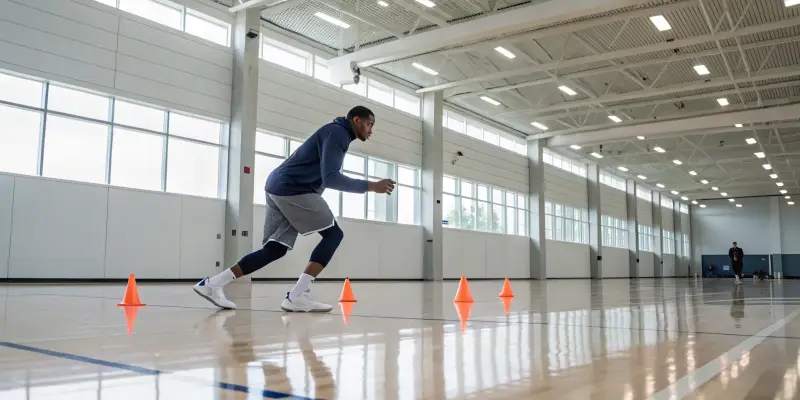
Coaches can spot a player who is out of shape from a mile away. Your ability to perform at a high level from the first drill to the final whistle is a non-negotiable. If you can’t keep up, your skills won’t matter. Coaches want to see players who can run hard for the entire tryout without their performance dropping off. To get there, you need to start a serious conditioning regimen at least a few weeks in advance. Incorporate sprints, suicides, and various agility drills into your training. Showing up with elite stamina proves you have the work ethic and discipline required to compete at the next level.
Sharpen Your On-Court Skills
While conditioning gets you on the floor, your skills are what keep you there. This is the time to get back to basics and perfect your fundamentals. Don't waste hours on flashy, low-percentage moves. Instead, concentrate on what makes a player truly effective: clean footwork, crisp passing, and strong ball handling. Work on your form and become automatic with basic layups and mid-range jump shots. Once you have mastered the fundamentals, you can build from there. Coaches are looking for efficient, reliable players who can execute under pressure, not someone who tries to be a highlight reel on every possession.
Fuel Your Body and Prioritize Recovery
Treating your body like a professional athlete is just as important as your training on the court. What you do off the court directly impacts your energy, focus, and performance. Leading up to the tryouts, make sure you are getting enough quality sleep each night. Your body repairs and strengthens itself during rest, so don't cut it short. Pay close attention to your nutrition by eating balanced meals that will fuel your workouts and aid in recovery. Showing up to a tryout feeling energized and focused can be the difference-maker. Your skills are only as good as the energy you have to execute them.
Get Your Head in the Game
The mental game is often the final piece of the puzzle. A pro tryout is a high-pressure environment, and coaches are watching to see how you handle it. Before you even step into the gym, practice visualizing your success. See yourself making smart plays, locking down your opponent on defense, and communicating confidently with your teammates. It’s crucial to stay positive and maintain a resilient mindset, even if you make a mistake. Coaches notice your attitude and body language just as much as your jump shot. A player who is composed, coachable, and supportive is an asset to any team.
What Are Coaches and Scouts Looking For?
When you step onto the court for a tryout, it’s easy to think you need a highlight reel of ankle-breaking crossovers and deep threes to get noticed. While skill is essential, coaches and scouts are evaluating the complete package. They’re looking for players who can contribute to a team’s success, not just their own stat line. This means they’re watching how you handle fundamentals, how you react to mistakes, and how you interact with others. It’s about showing you have the skills, the smarts, and the character to compete at a professional level.
They are building a roster, and every single player has a role to fill. They need to know if you can be a reliable shooter, a lockdown defender, a vocal leader, or a high-energy role player. Your performance in drills and scrimmages gives them clues about where you might fit. They are looking for consistency above all else. A player who does the little things right on every possession is often more valuable than a player who makes one spectacular play and then disappears for the next five minutes. Show them you’re a professional in your approach, and you’ll have a much better chance of making the team.
Shooting and Ball-Handling Skills
Let’s be direct: shooting is the most important skill coaches assess. You need to be able to consistently make shots from various spots on the floor, especially when you’re tired. They’re not just looking for a player who can hit a contested fadeaway once; they want someone who has reliable mechanics and can be a genuine scoring threat. Right behind shooting is ball-handling. Your ability to control the basketball under pressure is the foundation for everything else on offense. Coaches need to see that you can protect the ball against defenders, create your own shot, and initiate the offense without turning it over. These are the fundamental basketball skills that every pro must master.
Defensive Effort and Basketball IQ
Here’s a secret that isn’t really a secret: playing hard on defense is one of the quickest ways to stand out. So many players focus their energy on the offensive end, so a prospect who brings intensity and commitment to defense immediately catches a coach’s eye. This isn’t just about getting steals or blocks. It’s about staying in front of your person, communicating with your team, and boxing out on every single possession. Beyond effort, scouts are looking for a high basketball IQ. Do you understand spacing and rotations? Do you anticipate plays before they happen? Making the smart play, like a timely rotation to help a teammate, shows a level of understanding that is invaluable at the professional level.
Hustle, Coachability, and a Team-First Mindset
Coaches want players who bring consistent effort, not just when the ball is in their hands. Hustle plays, like diving for a loose ball or sprinting back on defense, show heart and a will to win. These moments can reveal more about your character than any made basket. Equally important is your coachability. When a coach gives you feedback, do you listen, make eye contact, and try to apply the correction on the next play? Or do you drop your head and make excuses? Being a coachable athlete is non-negotiable. It shows you’re willing to learn and grow. Finally, scouts want to see a team-first mentality. Make the extra pass for a better shot, celebrate your teammates’ success, and be a positive presence on the bench.
Attitude, Communication, and Composure
Your attitude is on display from the moment you walk into the gym. Coaches notice your body language, whether you’re making eye contact or looking at the floor. A positive attitude, even after a mistake, shows mental toughness. Are you encouraging your teammates and communicating on defense? A quiet player is often a liability. You need to be a vocal presence, calling out screens and talking through rotations. Lastly, scouts are watching your composure. How do you handle a bad call from a ref or a turnover in a key moment? Getting frustrated or rattled is a red flag. They want players who can stay poised under pressure and focus on the next play, demonstrating the mental fortitude required to succeed.
What to Expect on the Big Day
After weeks of preparation, the big day is finally here. Walking into a professional tryout can feel intimidating, but knowing what’s coming can help calm your nerves and allow your training to take over. Most tryouts follow a similar structure designed to give coaches a comprehensive look at each player. You can expect a mix of structured drills to assess your fundamental skills and live-game scenarios to see how you perform under pressure. The day is a marathon, not a sprint, so come prepared to showcase your skills, stamina, and mindset from the first whistle to the last. Remember, coaches are looking for players who can contribute to a team, so focus on playing smart, hard, and within your game.
Drills and Skill Evaluations
The day will almost certainly begin with a series of drills. Coaches use these to get a baseline reading of your fundamental skills and conditioning. Expect to run through various basketball tryout drills that test your shooting, dribbling, passing, and defensive abilities. You’ll likely participate in 1v1, 3v3, and even 5v5 situations to show how you handle different matchups and spacing. This isn't the time to try something flashy you haven't practiced. The players who stand out are the ones who arrive in peak physical shape and execute the fundamentals with clean, consistent technique. Show the coaches you have a solid foundation they can build on.
Scrimmages and Live Game Play
After drills, you’ll move on to scrimmages. This is your chance to show coaches how you apply your skills in a live game. They want to see your decision-making under pressure. Can you read the floor on a fast break? Do you make the right defensive rotations? Can you pass effectively out of a double-team? This is where your basketball IQ really shines. The length and intensity of scrimmages will vary, but expect a fast pace. Coaches are looking for players who can think on their feet and make smart plays that help the team, not just individuals who can score. Use this time to communicate with your temporary teammates and demonstrate your ability to adapt.
How You'll Be Evaluated
Throughout the drills and scrimmages, coaches are constantly evaluating you. While shooting and ball-handling are often the first things they notice, they are looking for much more. They want to see consistency across all your skills, not just a few isolated highlight plays. Your effort on defense, your hustle for loose balls, and your ability to communicate on the court are all being watched. Coaches are looking for players with a high basketball IQ who understand the game's nuances. They are also assessing your attitude. Are you coachable? Do you support your teammates? Your composure and effort are just as important as your crossover.
How to Stand Out From the Crowd
Tryouts are a sea of talented players, and everyone is there to prove they belong. Simply having skill isn't enough to get noticed; you have to be memorable. Coaches and scouts are looking for the complete package, a player who brings more than just points to the scoreboard. They want someone who fits their system, elevates their teammates, and demonstrates a professional attitude from the moment they walk in the gym. Standing out means showcasing your unique strengths, communicating effectively, and carrying yourself with poise both on and off the court. It’s about making it impossible for them to forget you once the day is over.
Think of it this way: dozens of players can hit a jump shot, but how many can do it while also being a vocal leader on defense, hustling for every loose ball, and maintaining a positive attitude after a missed play? That’s the player who gets a second look. When you combine your on-court talent with a deliberate strategy to make a lasting impression, you give yourself the best possible chance to get that coveted offer. The following steps will help you distinguish yourself from the competition and show the decision-makers that you are exactly who they’ve been looking for.
Build Your Basketball Resume and Highlight Reel
Before you even step on the court, your resume and highlight reel can start making an impression for you. Think of these as your professional introduction. Your basketball resume should be a clean, one-page summary of your career, including your stats, teams, any awards, and contact information for coaches who can serve as references. For your highlight reel, keep it concise, around two to three minutes is perfect. Start with your most impressive clips to grab attention immediately. Make sure you showcase a variety of skills, not just your scoring. Include great defensive plays, smart passes, and moments that display your hustle and basketball IQ. This is your chance to control the narrative and highlight your specific strengths.
Connect With Coaches and Staff
Making a personal connection can be just as impactful as a crossover dribble. Don’t be afraid to introduce yourself to the coaches and staff before or after the drills. A confident, respectful introduction shows you’re serious and engaged. When you talk to them, be prepared to speak about your strengths and what you believe you can contribute to the team. On the court, be the player who communicates constantly. Call out screens, direct teammates on defense, and offer encouragement. Coaches love a vocal leader because it demonstrates confidence and a high basketball IQ. This kind of on-court communication makes the entire team better and shows that you’re a player who thinks about the game on a deeper level.
Make a Good Impression Off the Court
Your character is always on display, even when you’re resting on the sidelines. Coaches are watching everything, so make sure your body language is consistently positive. Don’t slump your shoulders after a mistake or show frustration with a teammate. Instead, hustle back on defense or give a teammate an encouraging high-five. Arrive early, be prepared, and treat everyone, from the check-in staff to the head scout, with respect. It’s also helpful to develop a pre-tryout routine that gets you mentally focused. Whether it’s listening to music or visualizing success, a solid routine helps you manage nerves and perform at your peak. A positive attitude is contagious and tells coaches you’re a resilient, low-maintenance player they’ll want in their locker room.
Mistakes to Avoid During Your Tryout
You’ve put in the work to sharpen your skills and get in shape, but a successful tryout is also about avoiding common pitfalls. Coaches aren't just looking for talent; they're looking for smart, reliable players who can contribute to a team. In a high-pressure environment like a tryout, it's easy to let nerves get the best of you and make unforced errors that have nothing to do with your ability. Knowing what not to do can be just as important as knowing what to do.
A single mistake in judgment or attitude can overshadow all the hours you spent in the gym. Think of it this way: coaches are building a roster, and they need to know they can trust you on and off the court. They are evaluating your decision-making, your resilience, and your character from the moment you walk in the door. By steering clear of these common errors, you allow your preparation and talent to shine through without any distractions. Being aware of these potential missteps is the first step toward making the best possible impression.
Neglecting Conditioning and Defense
It’s easy to focus on your offensive game, but coaches immediately notice players who slack on defense or run out of gas. They want players who can run hard for the entire tryout. If you’re bent over and gasping for air after a few drills, it signals you haven’t prepared properly. Skilled players who don't hustle often get cut, while less-skilled players who give relentless effort can earn a spot on the team. Show that you can be a defensive stopper and that your motor never quits. This demonstrates discipline and a commitment to the less glamorous side of the game, which is a huge green flag for scouts.
Forcing the Play or Trying to Do Too Much
The pressure of a tryout can make you feel like you need to make a spectacular play every time you touch the ball. This is one of the biggest mistakes you can make. Trying to do things outside your skill set to impress a coach often backfires. Instead of attempting a flashy, low-percentage move you saw on social media, focus on making smart, simple plays. Coaches are more impressed by a player who understands their role and executes fundamentals flawlessly than by someone who constantly forces bad shots or commits turnovers. Stick to what you do best and let your solid, reliable game get you noticed.
Showing Poor Body Language or Attitude
Coaches are watching you even when you don't have the ball. How do you react after a missed shot or a bad call? Do you hang your head, complain to the refs, or blame a teammate? Your body language speaks volumes. Maintain a positive and confident demeanor throughout the tryout. Hustle back on defense, encourage your teammates, and listen intently when a coach is speaking. Showing that you are coachable, resilient, and a positive presence is critical. A great attitude and confident body language can make you stand out just as much as a perfect jump shot.
The Follow-Through: What Happens Next?
The final buzzer at the tryout doesn't signal the end of the process. What you do in the days and weeks that follow is just as important as how you performed on the court. Whether you get an offer, face a rejection, or hear nothing at all, your next steps can define your path forward. It’s all about clear communication, professionalism, and a resilient mindset. This is your chance to show your character off the court and continue working toward your professional goals.
Following Up with Coaches and Scouts
Don’t just wait by the phone. Taking the initiative to follow up shows your continued interest and professionalism. The best time to reach out is when you have something new to share. Did you put together a new highlight reel from the tryout? Did you post impressive stats in another league game? Use these updates as a reason to get in touch. This makes your email or call feel more like a valuable check-in and less like a simple reminder. A thoughtful follow-up can keep you on a coach's radar long after the tryout has ended, reinforcing the positive impression you made.
How to Handle an Offer
Getting an offer is an incredible moment, so take a second to celebrate. Then, get down to business. Respond to the offer promptly to acknowledge you’ve received it and express your gratitude. This is your opportunity to ask clarifying questions about the contract, your role on the team, and the program’s expectations. This isn’t just about them choosing you; it’s also about you choosing them. Carefully consider if the team’s culture and goals align with your own career aspirations. This is a major professional decision, so take the time you need to evaluate your options and make the choice that’s right for you.
What to Do If You Don't Make the Cut
Facing rejection is tough, but it’s not the end of the road. If you don’t make the team, handle it with confidence and grace. Instead of disappearing, reach out to the coach and ask for honest feedback. A simple, professional call or email asking what you can improve on shows maturity and a commitment to your development. Understanding why you weren't selected provides a clear roadmap for your training. This proactive approach not only helps you deal with the disappointment but also keeps the door open for future opportunities. Coaches remember players who handle setbacks with class and a desire to get better.
Frequently Asked Questions
What's more important at a tryout: showing off my best moves or playing solid, fundamental basketball? Coaches are far more impressed by a player who consistently makes smart, simple plays than by someone who tries a flashy move and turns the ball over. While skill is important, they are looking for reliability. Focus on what you do best, whether that's hitting an open shot, making the right pass, or playing lockdown defense. A player who executes the fundamentals flawlessly and plays within their game is always more valuable than a player who tries to do too much.
I didn't play D1 college ball. Do I still have a realistic shot at a pro career? Absolutely. The path to a professional career is not a single straight line. While a D1 background can help, scouts are looking for talent everywhere. The NBA G League, international leagues across Europe and Asia, and independent pro leagues in the U.S. are all filled with talented players from various backgrounds. Your focus should be on finding the right opportunity that fits your skill level, building a strong resume, and getting high-quality game film.
Besides the registration fee, what other costs should I plan for when attending a tryout? The registration fee is just the start, so it's smart to create a full budget. You'll need to account for travel expenses, which could include flights or gas, depending on the tryout's location. You should also plan for accommodation and food for the duration of your stay. Think of it as a business trip for your career. Planning for these costs ahead of time helps you stay focused on your performance instead of worrying about finances.
How can I get noticed if I'm not a big scorer? Playing relentless defense is one of the fastest ways to stand out. Many players focus on offense, so someone who brings energy and intensity to the defensive end immediately catches a coach's eye. You can also make an impact by being a great communicator, hustling for every loose ball, and showing a high basketball IQ by making smart plays that don't show up in the box score. Coaches are building a team, and they need players who contribute to winning in multiple ways.
Is it a bad look to ask a coach for feedback if I don't make the team? Not at all; in fact, it shows maturity and a commitment to improving. If you don't get an offer, wait a day or two and then send a polite, professional email asking for specific feedback on what you can work on. This shows you respect their opinion and are serious about your development. Coaches remember players who handle rejection with class, and it can keep the door open for future opportunities with that team or elsewhere.
Add comment
Comments